The Production of Concepts and the Construction of Knowledge in Contemporary Art
Release Date:
2019-05-21
May 13, 2019

Jinyang Ping
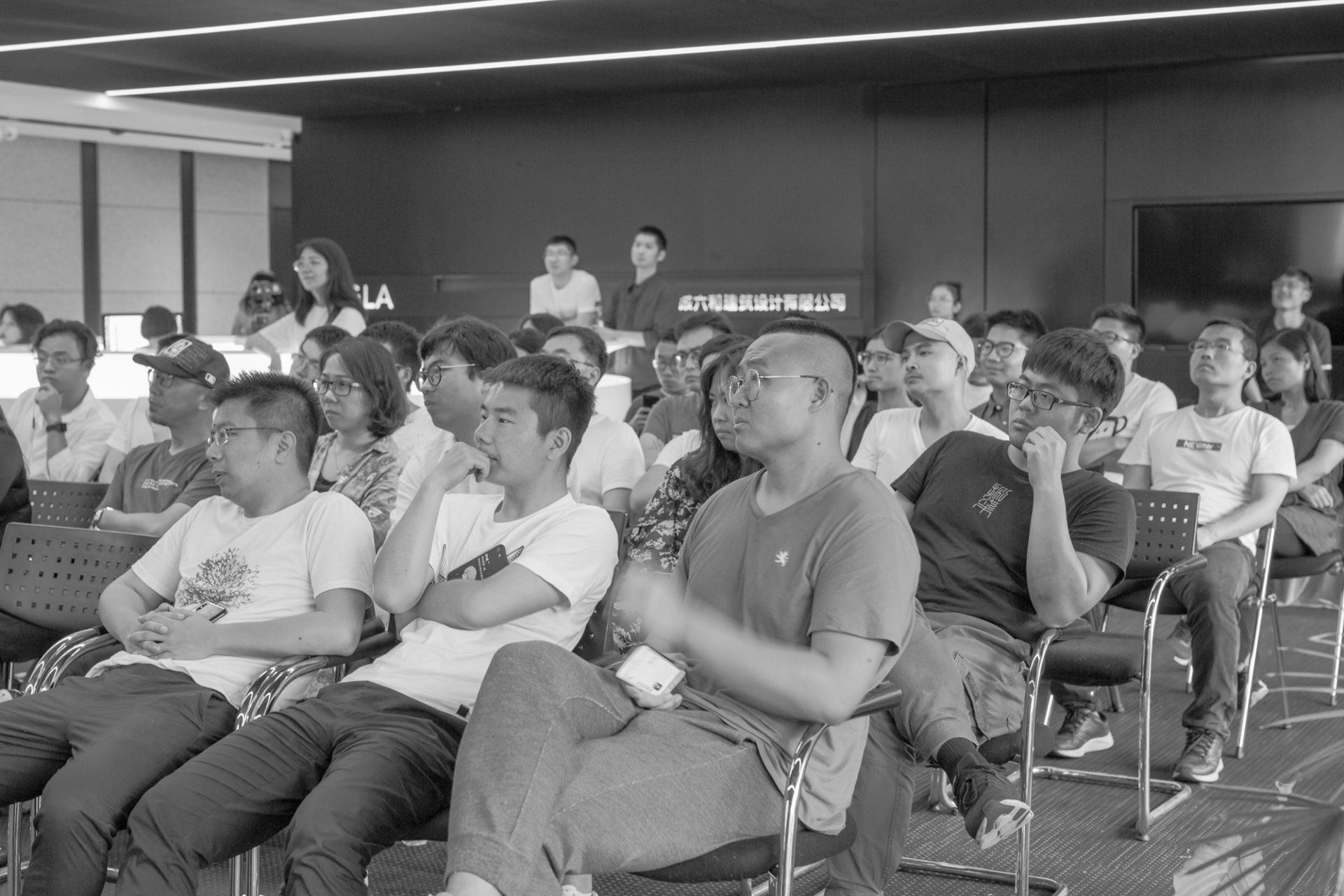
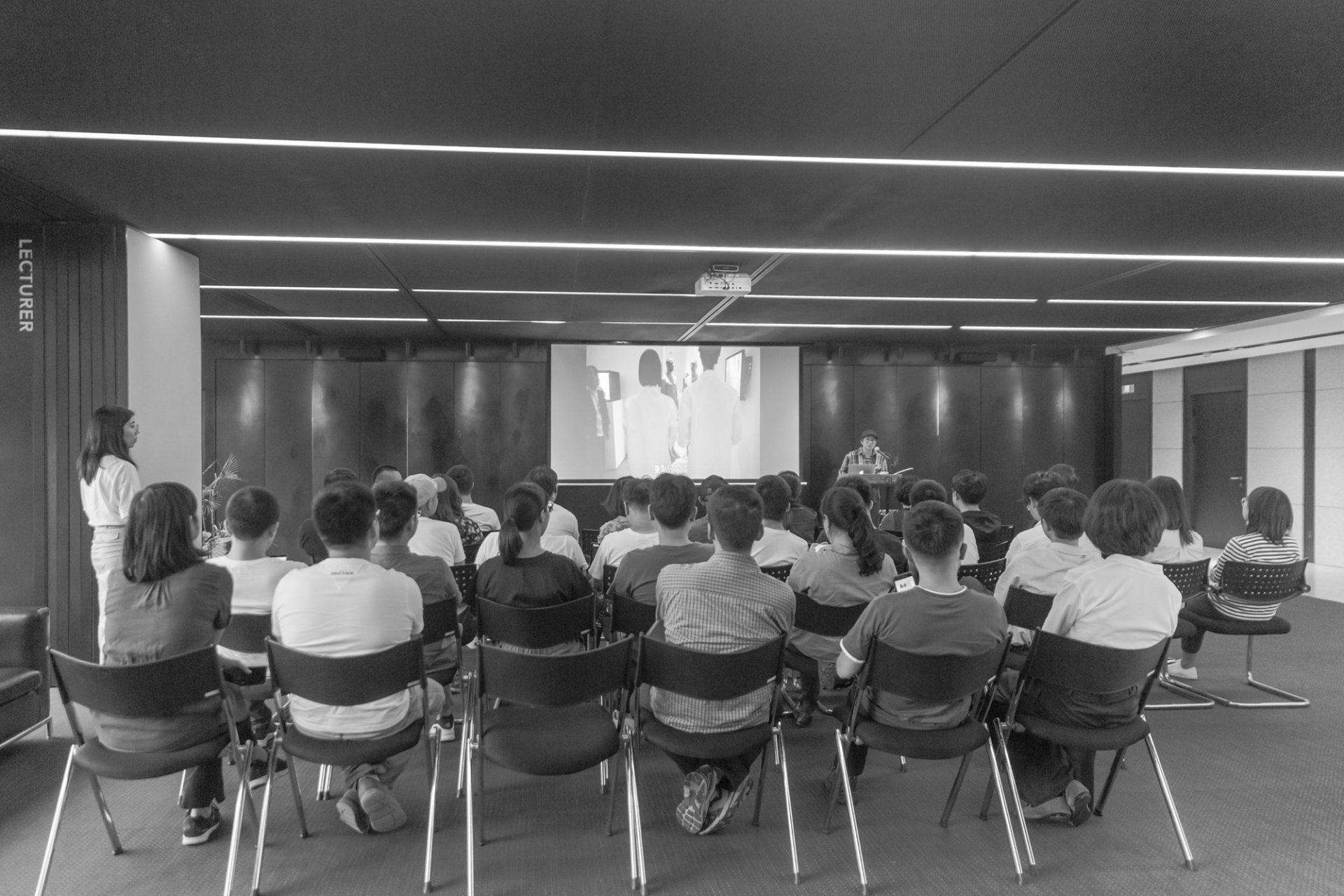
On May 13, 2019, artist Mr. Jin Yangping used currently widely discussed works as case studies, integrating them with art theory to deepen understanding of foundational knowledge and to analyze the current state of contemporary art.
Since the 1990s, contemporary art in China has entered a torrential era. What, then, is contemporary art? First, in temporal terms, it refers to the art of today; second, in its intrinsic essence, it embodies a modern spirit; and third, it is created by artists who are able to reflect the defining characteristics of our present age. People often speak of “existence”—but for us, who are born into this world only to eventually face its end, what, precisely, is the meaning of existence? The myriad social needs articulated within both the realm of the soul and the realm of everyday reality—along with the arts, design, and systems of belief that arise in response to them—endow existence with ever richer layers of meaning and interpretation. And it is precisely this notion of “meaning,” as a purposeful concept, that seems increasingly intertwined with the immediate cultural and historical context of our time.
Through performance art, painting, ink-and-wash art, video art, installation art, and sculpture, Teacher Jin introduced 12 representative artists across these six major categories.
Artworks and artists are inextricably linked, and artists, in turn, cannot be separated from society and the world. By translating their visual perceptions of the world into conceptual forms, artists offer another way of interpreting the world in which we live. Today we find ourselves in an era of unparalleled power and profound tension; how artists confront this age and how they view the world around them thus becomes a defining question. The significance of contemporary art is thereby brought into sharp relief. As more museums and art galleries emerge, artworks will be collected, documented, and exhibited—preserving as a legacy the life and emotions that define our times.
The relationship between art and architecture is also remarkably close: architecture is the creation of a space imbued with soul, while the works produced by artists require space to be fully realized. Like architecture, art demands exploration—seeking new pathways and unveiling fresh possibilities—in a continuous process of creation and experimentation. The construction of knowledge and the production of ideas have thus come to define the new horizon of contemporary art.